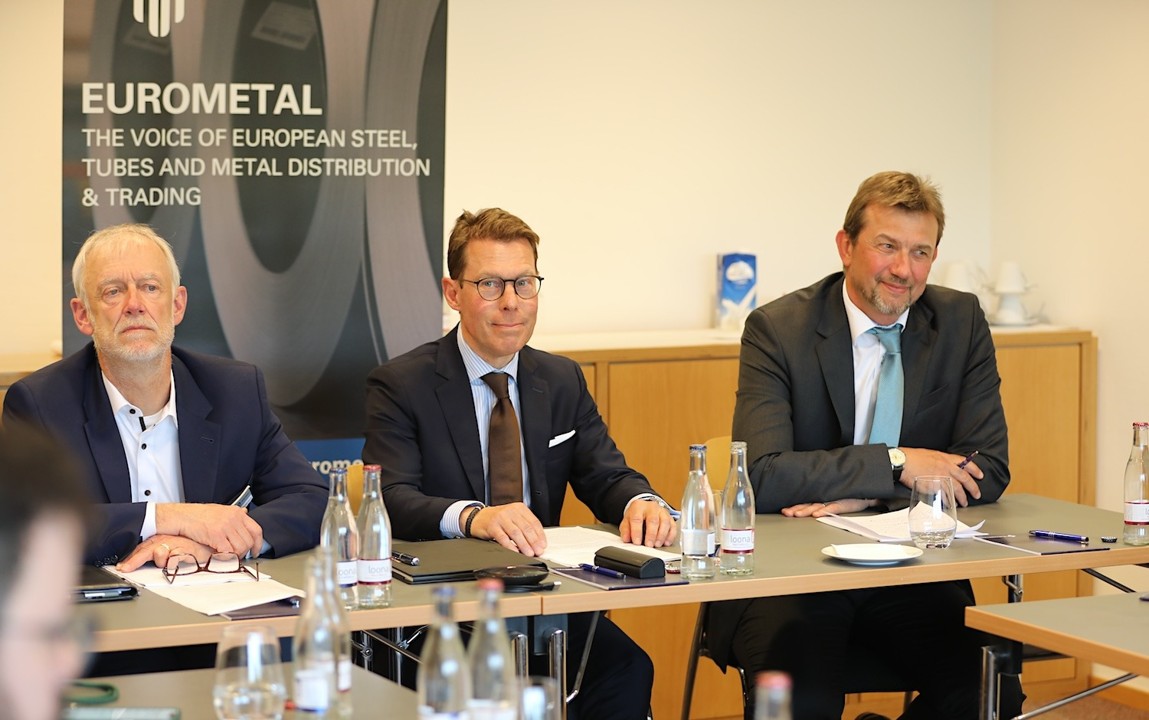
The European steel and metals industry is calling on the European Commission and EU Member States to take immediate and effective measures to protect strategic value chains within the sector. This comes through a new joint “Call to Action” launched today by Eurometal, together with various stakeholders from across the entire steel and metals value chain.
More than 335 signatories warn that Europe is undergoing an accelerated process of deindustrialisation, driven by a combination of rising import pressure, unfair competition, and structurally high production costs.
Increasing pressure on European industry
According to the sector, the European market is increasingly affected by subsidised and low-cost import flows from third countries, while internal cost structures continue to come under pressure. Energy prices, regulation, and logistics costs all play a significant role in this.
The industry stresses that these developments are no longer limited to primary steel producers but are becoming increasingly visible in downstream value chains such as distribution, metal processing, and the construction sector.
Need for an adapted trade and industrial policy
In the “Call to Action”, signatories call for a revision and strengthening of the European policy framework on trade and industry. Specifically, they request:
- strengthened trade defence instruments for steel and steel-intensive products
- extension of carbon border adjustment mechanisms to downstream products
- priority for European production in public procurement (“Made in EU”)
- measures to reduce industrial energy costs and administrative burdens
They also highlight the importance of a coherent industrial policy that aligns the EU’s climate objectives with industrial competitiveness.
Impact on jobs and strategic autonomy
The sector states that without additional measures, the European Union risks further erosion of industrial capacity, with potential consequences for millions of direct and indirect jobs in the steel and metals industry.
According to the signatories, this is not only about economic competitiveness, but also about strategic autonomy, supply security, and preserving industrial know-how in Europe.
Importance for broader value chains
The “Call to Action” emphasises that steel and metals play a key role in many sectors, including construction, mobility, energy, and defence. Disruption of these chains, the sector argues, would have a direct impact on investment costs, infrastructure development, and the affordability of housing and projects.
The Belgian steel trade supports the call and underlines the importance of a competitive and stable European metals market, in which distribution companies can continue to play their role in a reliable supply chain for industry and construction.